Comparing the main options or approaches

Analyzing multiple paternal pathways requires looking closely at how science and jurisprudence intersect. On the biological front, heteropaternal superfecundation represents the most documented route, where separate ova are fertilized by distinct progenitors during the exact same reproductive window. Though technically resulting in fraternal siblings rather than a single individual with dual patrilineal input, it shatters the simplistic myth of single-sire gestation. Conversely, tetragametic chimerism operates via embryonic fusion. Two distinct zygotes merge during early cleavage, leaving the resultant host harboring dual cellular lineages. If those zygotes stemmed from different males, theoretical duality manifests directly inside tissue samples.

Shifting from cellular anomalies to legal frameworks, modern jurisdictions utilize vastly different strategies to handle multi-parent recognition. Traditional common law strictly enforced a binary paradigm—one mother, one father. However, progressive family courts now apply the de facto parent doctrine or intentional parenthood statutes. These approaches prioritize functional psychological bonding and prior agreements over rigid genetic ties. Consequently, courts in regions like California or British Columbia can legally establish three or more legal parents, balancing biological truth with the emotional reality of collaborative child-rearing environments.

A cautionary note — what can go wrong

Pursuing complex definitions of parentage opens a Pandora's box of biological confusion and emotional wreckage. Genetic testing, once viewed as an infallible oracle, routinely stumbles when encountering chimerism. Standard buccal swabs or blood draws might register contradictory paternal profiles, sending courts and families into catastrophic spirals of misdiagnosed infidelity or contested lineage. Forensic labs frequently misinterpret these anomalies as laboratory contamination, invalidating crucial custody or estate battles.

Legally speaking, dismantling the two-parent presumption invites severe instability. When statutory safeguards erode, children risk becoming pawns in protracted jurisdictional warfare among multiple competing adults. Inheritance disputes turn into mathematical nightmares, while medical emergency decisions stall indefinitely as rival legal guardians deadlock over consent. Without stringent legislative guardrails, expanding parentage beyond traditional boundaries threatens to fracture the very stability it aims to protect, substituting legal clarity with perpetual courtroom friction.

Unraveling the Genetics of Multiple Paternity

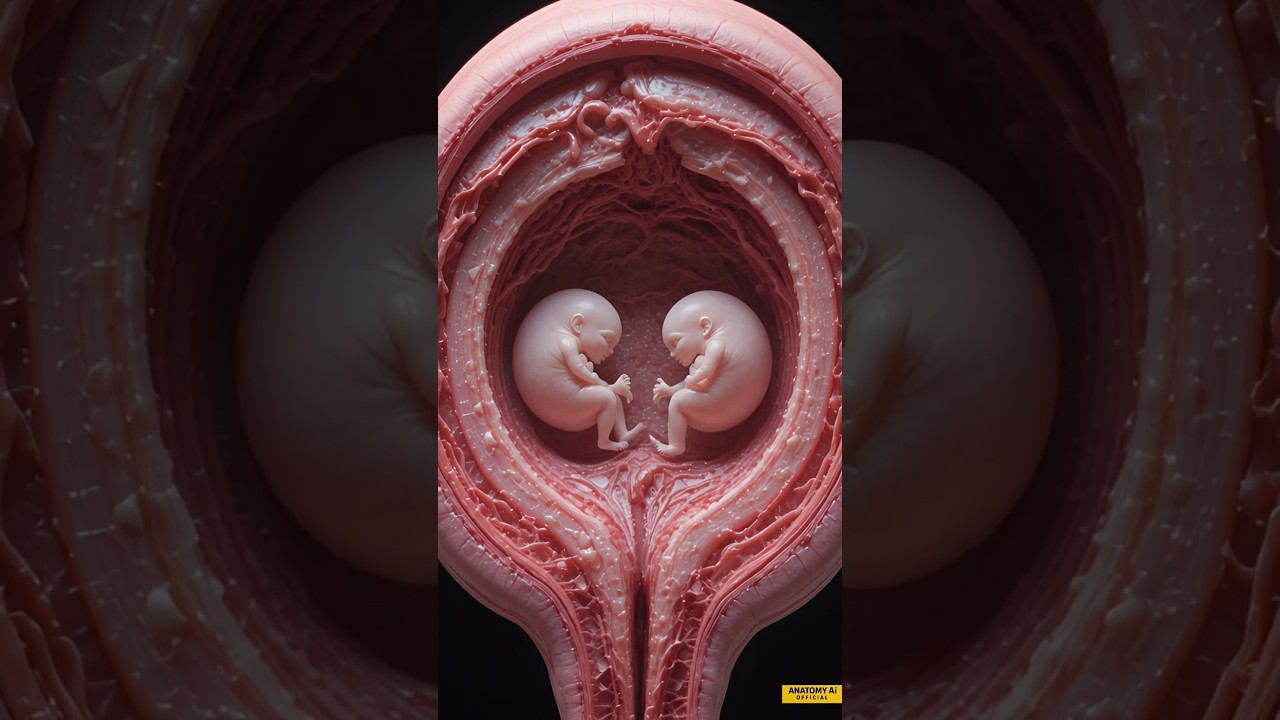
While a single individual cannot simultaneously have two biological fathers through standard conception, the boundaries of reproductive biology occasionally blur through extraordinary anomalies. The most famous mechanism behind this is heteropaternal superfecundation, which results in fraternal twins having different biological fathers. This occurs when a woman releases two eggs during a single ovulation cycle and each is fertilized by sperm from a different partner. Though widely documented in animals like dogs and cats, it remains exceedingly rare in humans.

Beyond twins, rare theoretical discussions sometimes touch upon human chimerism—where two separate embryos fuse early in pregnancy. However, a solitary human child inheriting complete, functional genetic dual-paternity outside of a twin dynamic is biologically unrecorded. Ultimately, while science proves that multiple paternity can happen within a twin set, a single non-twin person having two biological fathers is a myth.

Can a Baby Have Two Fathers?

This short video provides a quick, visual summary of how superfecundation allows a pregnancy to involve two biological fathers.