At first glance, the question of whether a child—or more accurately, children from the same pregnancy—can have two biological fathers sounds like something straight out of a fictional medical drama.
To understand how this extraordinary event happens, we have to look closely at the mechanics of human reproduction, ovulation, and the remarkable timeline of how life begins.
The Science of Multiple Conception: Fraternal vs. Identical
To comprehend heteropaternal superfecundation, we must first distinguish between the two primary ways twins are conceived:
Identical Twins: These develop from a single fertilized egg (zygote) that splits into two separate embryos. Because they originate from the exact same sperm and egg combination, they share 100% of their genetic material and are always of the same biological sex.
Fraternal Twins: These develop when a woman’s body releases two separate eggs during the same menstrual cycle—a process known medically as hyperovulation.
If both eggs are fertilized by two separate sperm cells, they become fraternal twins. Normally, both sperm come from the same partner, meaning the twins share roughly 50% of their DNA, just like any other full siblings born years apart.
However, human reproductive biology has an open window that allows for an unusual variation on this process.
The Role of Timing and Sperm Longevity
For heteropaternal superfecundation to occur, a specific sequence of biological events must align precisely within a very tight window of time:
The Dual Release: The mother must release two eggs during her ovulation cycle instead of the usual one.
Multiple Partners: The woman must have sexual intercourse with two different men within her fertile window.
Sperm Survival: Human sperm are surprisingly resilient. Once inside the female reproductive tract, viable sperm can survive and remain capable of fertilization for up to five days.
Because of this longevity, a woman could have intercourse with one man, and then have intercourse with a second man a few days later (or vice versa) close to the time of ovulation. If both acts introduce viable sperm into the reproductive tract while multiple eggs are available, egg number one can be fertilized by sperm from man A, and egg number two can be fertilized by sperm from man B.
How Rare Is This Phenomenon in Humans?
While heteropaternal superfecundation is a regular occurrence in species that regularly release multiple eggs and mate with multiple partners—such as dogs, cats, and cattle—it is exceptionally rare in humans.
Statistical models and legal case reviews suggest it happens in a tiny fraction of twin pregnancies, typically estimated to affect roughly 1 in thousands of paternity dispute cases.
Worldwide, only a few dozen scientifically confirmed cases have been formally documented in medical literature, though geneticists suspect the actual number might be slightly higher because routine paternity testing is rarely performed on every set of fraternal twins.
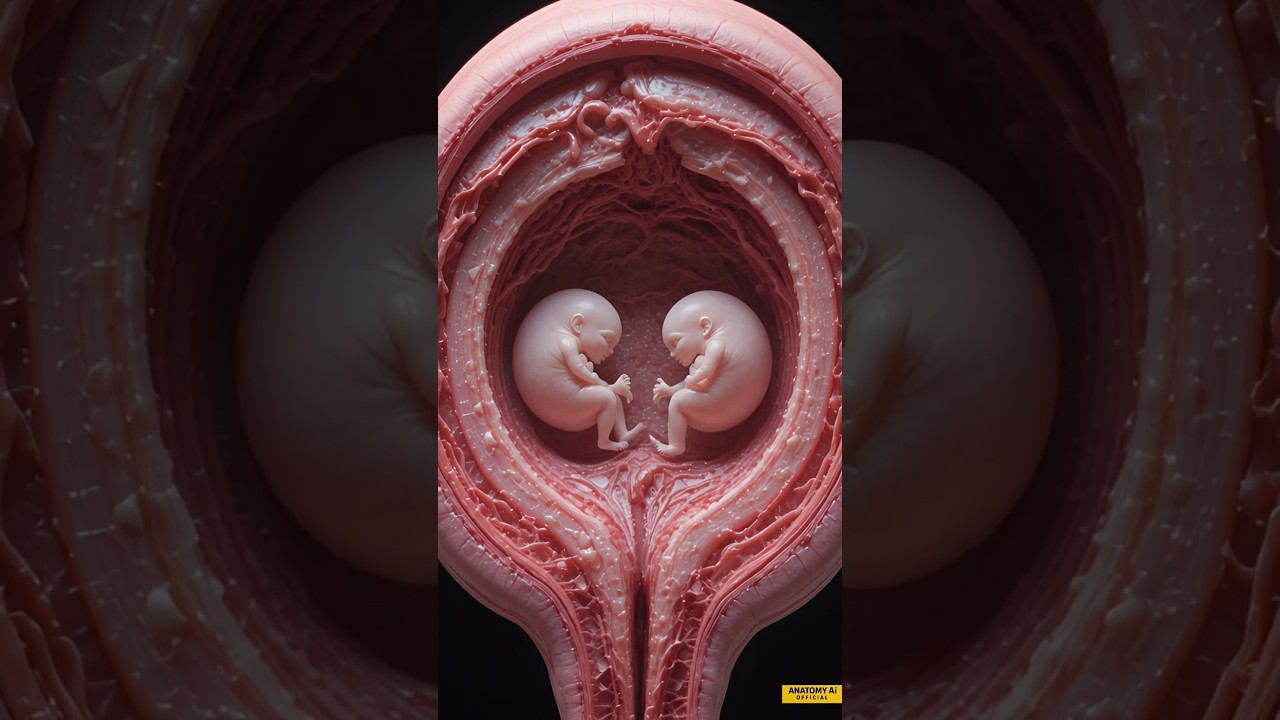
This brief video provides a quick, clear breakdown of how the rare biological process of superfecundation enables twins to have different biological fathers.
What aspects of genetics or family law do you find most interesting when looking at rare cases like this?

Understanding the Genetic Realities
While a single fetus cannot be fertilized by two separate men simultaneously, exceptional medical scenarios expand how we define biological parentage.
Exploring Rare Chimerism
Beyond twins, geneticists study an even rarer anomaly known as tetragametic chimerism. This happens when two separate eggs are fertilized by two different sperm cells, but instead of developing into fraternal twins, the early embryos fuse together inside the womb.
Dual DNA Profiles: The resulting individual grows with two distinct sets of cell lines, meaning different organs or tissue samples can exhibit separate genetic markers.
Theoretical Paternity: If the fused embryos originated from two different fathers via superfecundation before merging, a single person could theoretically carry DNA from two distinct paternal sources.
While documented instances of this exact compound phenomenon are virtually nonexistent in human medical literature, advancements in genetic sequencing continue to reveal surprising complexities in human biology.
This short video provides a clear, concise visual breakdown of how superfecundation allows twins to have different biological fathers.
Comments
No comments yet. Be the first to react.