The digital landscape in India changed fundamentally when the government issued a sweeping nationwide restriction on dozens of major applications.
1. The App Store Disappearance
The moment a user attempts to search for TikTok on official regional app marketplaces—such as the Google Play Store or Apple App Store—while physically located in India and using an Indian regional account, the application is invisible.
Regional Restrictions: Tech giants comply strictly with local regulatory mandates. Because the statutory order compels ISPs and digital storefronts to restrict distribution, the app cannot be natively downloaded or updated through standard local channels.
Account Region Lock: Changing an app store country profile requires local payment methods and billing addresses from the target country, creating an immediate barrier for standard residents.
2. Network-Level ISP Blocking
Even if an individual manages to install an APK file from an external source or sideload the application onto a mobile device, a secondary barrier immediately activates at the network level.
IP and DPI Filtering: Indian Internet Service Providers (ISPs) employ deep packet inspection and DNS blocking mandated by regulatory authorities.
Connection Timeouts: When the application attempts to ping its primary servers to load content feeds, user profiles, or trending videos, the local network connection is dropped or refused. The result is an endless loading screen, an empty interface, or an explicit connection error notification preventing any data exchange.
3. The Digital and Creator Ecosystem Shift
The absence of TikTok did not leave a vacuum; instead, it triggered a massive evolution in India's domestic tech sector.
Rise of Alternative Platforms: Local and international competitors rushed to capture the short-form video market, leading to the rapid growth of homegrown apps like Moj, MX TakaTak, and the widespread adoption of Instagram Reels and YouTube Shorts.
Economic Realignment: Millions of creators who built their livelihoods around the platform had to completely migrate their communities, transforming the broader South Asian social media economy.
Would you like to explore how network workarounds or virtual private networks interact with local cyber regulations in the second part of this article?
Navigating the Restrictions and Alternative Platforms
While attempting to bypass national restrictions through third-party APKs or foreign VPNs might seem like a quick fix, doing so violates India's Information Technology Act directives.
Furthermore, trying to circumvent regional blocks exposes devices to severe cybersecurity risks. Unofficial application files sourced from unverified web repositories frequently carry malware, spyware, or adware disguised as installation packages. Because the platform remains fully prohibited under government data sovereignty regulations, users face potential legal and privacy vulnerabilities without any local consumer protection recourse.
Fortunately, the sudden exit of the application catalyzed a massive boom in domestic digital ecosystems.
Ultimately, while the curiosity surrounding restricted software is understandable, sticking to approved domestic channels ensures a secure, uninterrupted, and legally sound digital experience.
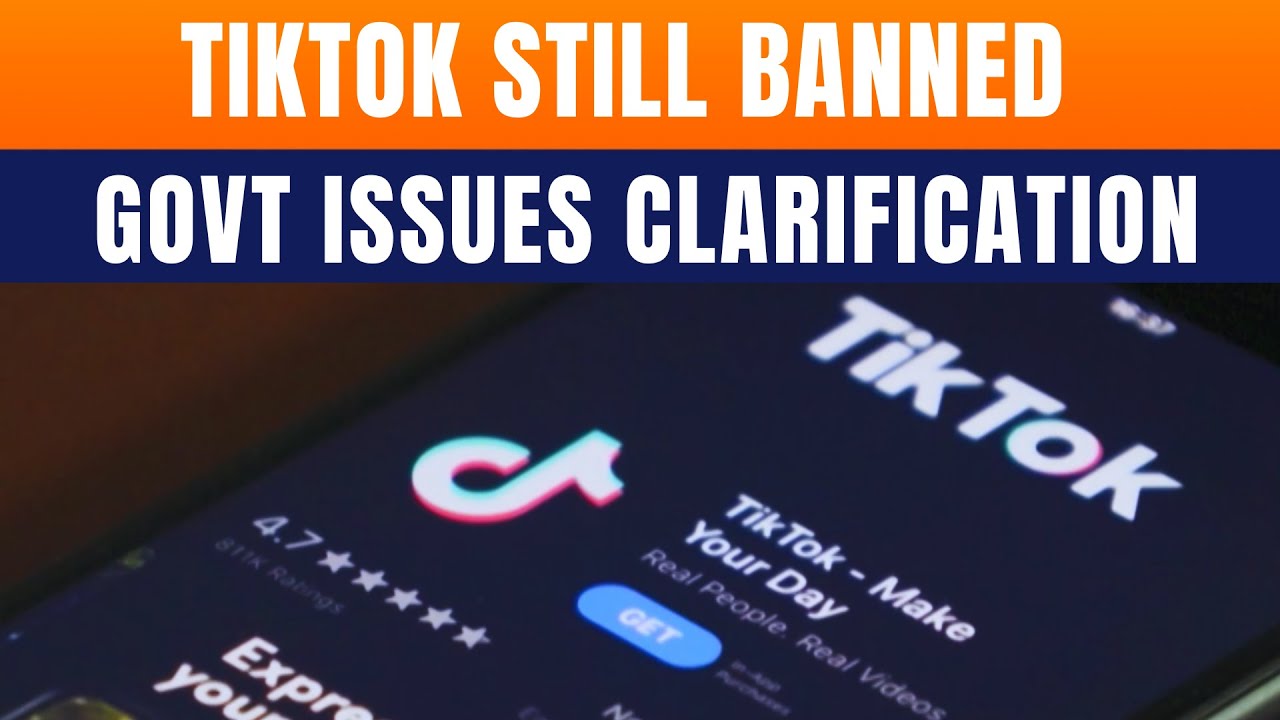
This video provides official context regarding the continued enforcement and policy updates surrounding the platform's status in the country.

Comments
No comments yet. Be the first to react.