Understanding Global VPN Regulations: Which Countries Do Not Allow VPNs?
In an increasingly interconnected digital age, Virtual Private Networks (VPNs) have become standard tools for privacy-conscious web surfers. Designed to encrypt internet traffic and mask IP addresses, VPNs allow users to securely browse the web, protect sensitive personal data, and shield their online activities from cybercriminals and corporate trackers.
However, while VPN usage is widely embraced and completely legal across North America, the European Union, and most democratic nations, a different reality exists elsewhere.
The Spectrum of Restriction: Banned vs. Restricted
When analyzing how different nations approach VPN technology, it is essential to distinguish between a total ban and heavy state restriction.
Total Bans: In these jurisdictions, using, downloading, or possessing an unauthorized VPN is explicitly illegal.
Violating these laws can result in severe legal consequences, ranging from massive financial penalties and asset confiscation to lengthy prison sentences. State-Controlled or Restricted Use: In other countries, VPN technology itself may not be entirely outlawed on paper, but the government heavily regulates its operation.
Only government-approved or state-sanctioned VPN services—which typically require companies to log user data and hand it over upon request—are legally permitted. Using a standard commercial VPN to bypass local firewalls is treated as a severe infraction.
Nations with Complete VPN Bans
A handful of countries maintain absolute zero-tolerance policies regarding unauthorized anonymization tools and encryption technologies.
1. North Korea
North Korea operates the strictest information control system on the planet.
2. Turkmenistan
Turkmenistan enforces some of the most aggressive internet censorship and isolation policies in Central Asia.
3. Belarus
Belarus has steadily dismantled digital privacy rights through a series of sweeping decrees targeting anonymizers.
4. Iraq
Iraq implemented sweeping blocks on virtual private networks to curb insurgent communications and control the flow of information during periods of civil unrest.
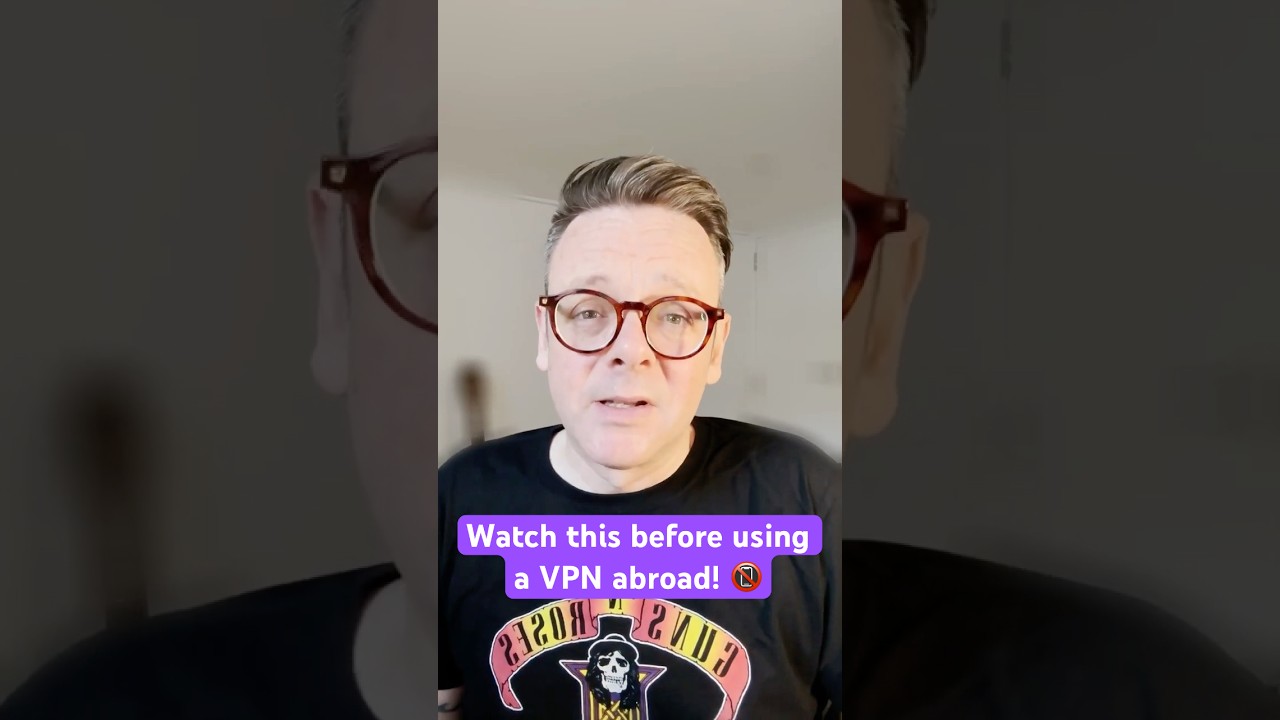
This short video provides a quick visual overview of countries where VPN usage is banned versus where it remains restricted or legal.

Navigating Strict Regulations and Conclusion
While nations like North Korea, Turkmenistan, and Belarus enforce absolute bans on unauthorized encryption tools, other governments choose a model of heavy restriction rather than an outright ban.
Key Enforcement Methods
State-Sanctioned Approvals: Some jurisdictions permit corporate or government-approved VPNs while criminalizing consumer-grade alternatives.
Deep Packet Inspection (DPI): Advanced firewall systems actively scan network traffic to identify and block standard VPN protocols.
Mandatory Data Logging: Countries like India require commercial providers to store user activity logs, undermining the core privacy features of a VPN.
Final Thoughts
Ultimately, the legal status of a virtual private network depends entirely on local legislation and how aggressively a government monitors digital traffic.
Are you planning an international trip and looking up the internet laws for a specific destination?
Comments
No comments yet. Be the first to react.