Which Parent Does a Child Need the Most? Unpacking the Dynamics of Maternal and Paternal Influence
When examining the intricate ecosystem of a child's upbringing, few questions provoke as much debate, psychological inquiry, and emotional weight as this: Which parent does a child need the most?
Historically, cultural tropes and early psychoanalytic theories frequently placed mothers at the absolute center of a child's universe, characterizing them as the primary source of biological and emotional survival. Meanwhile, fathers were often relegated to secondary support roles—perceived largely as providers or disciplinarians.
However, modern developmental psychology, neuroscience, and attachment research paint a vastly more sophisticated picture. Rather than pointing to a single winner in a zero-sum game of parental necessity, science reveals that children do not need one parent more than the other; instead, they need different things from each parent at different stages of their growth.
The Foundational Bond: Emotional Security and Regulation
In the earliest stages of infancy, nature establishes a powerful, biologically driven connection between mother and child.
Psychologically, infants often view their primary caregiver (frequently, though not exclusively, the mother) as a "psychobiological regulator".
The Secure Base: Attachment theory emphasizes that a child's early bond creates an internal working model for all future relationships.
The Safe Haven: When distressed, injured, or frightened, young children instinctively seek out the parent who offers immediate physical comfort and empathetic de-escalation.
Does this mean the mother is permanently the most essential figure? Not necessarily. While the maternal bond often forms the bedrock of initial emotional security, research demonstrates that infants are fully capable of forming secure, highly meaningful attachments with their fathers from the earliest months of life. These paternal bonds contribute uniquely to a child's capacity for emotional self-regulation and independence.
The Catalyst for Exploration: The Distinct Value of Paternal Engagement
As children transition from infancy into toddlerhood and early childhood, their developmental needs expand rapidly. They shift from seeking purely protection and comfort to craving exploration, autonomy, and boundary-testing. This is where the unique contribution of paternal engagement comes to the forefront.
Observational studies in developmental psychology consistently highlight distinct stylistic differences between how mothers and fathers interact with children:
Physical and Risky Play: Fathers, on average, tend to engage in more robust, high-energy, and physical play.
This style encourages children to take calculated risks, test their physical limits, and learn how to bounce back from minor bumps and surprises. Encouraging Independence: While maternal interactions frequently lean toward verbal communication, nurturing, and risk mitigation, paternal interactions often push children to stretch beyond their comfort zones, confront obstacles, and interact more bravely with unfamiliar peers or environments.
Through these contrasting approaches, children learn a vital life lesson: the world is safe enough to explore, but challenging enough to demand resilience.
Moving Beyond the Hierarchy
Ultimately, asking which parent a child needs the most is akin to asking whether a plant needs soil more than it needs sunlight. Both elements serve fundamentally different, non-interchangeable functions.
The maternal presence often provides the anchor—the deep emotional reservoir and secure haven where a child returns to rest and heal.
Recognizing that children thrive best not through the dominance of one parent, but through the harmonious interplay of both, allows families to move past outdated hierarchies and embrace a more balanced approach to raising resilient, well-adjusted individuals.
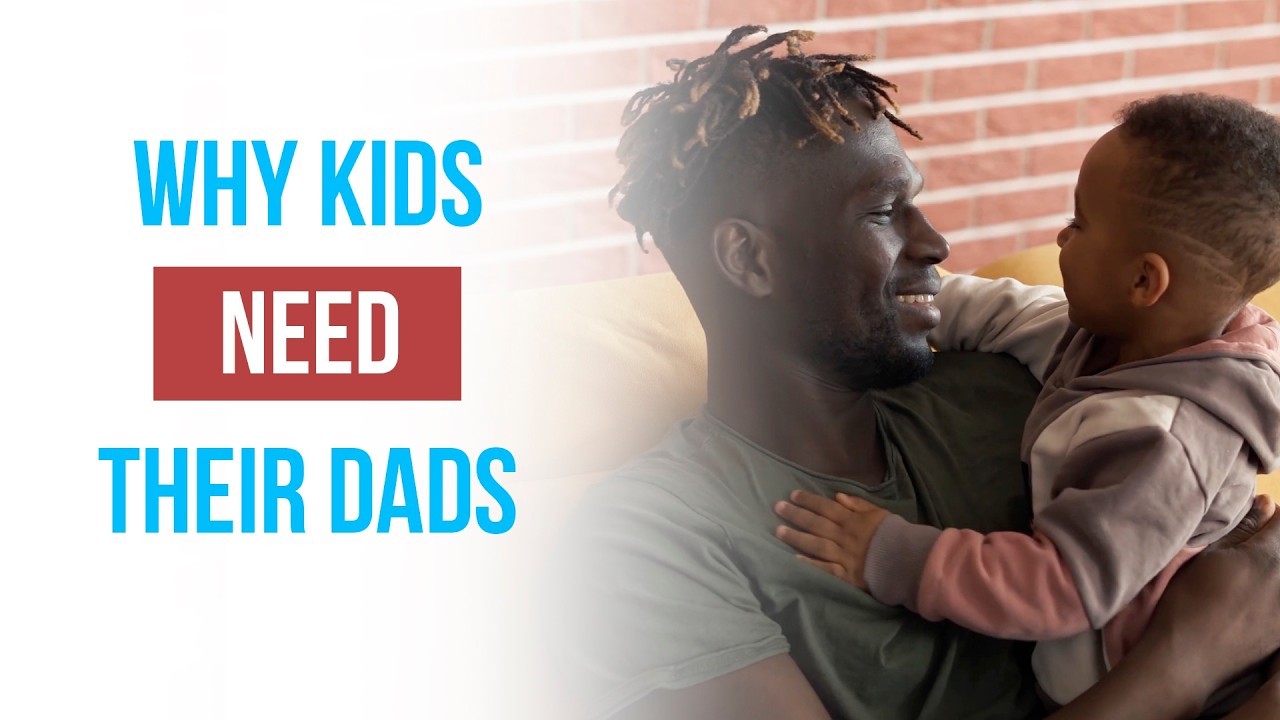
This video explores research-backed insights into how maternal and paternal interactions uniquely shape a child's long-term emotional and social development.

Conclusion: The Synergy of Dual Parenting
While society often attempts to weigh the distinct value of mothers versus fathers, developmental psychology consistently points to a different reality: children do not need one parent more than the other; they need the unique, complementary strengths of both.
The notion of a primary versus secondary parent is increasingly outdated. Modern research highlights that optimal child development thrives on a dynamic interplay of caregiving styles.
Key Pillars of Co-Parenting Synergy
Emotional and Instrumental Balance: Mothers and fathers often (though not exclusively) bring different styles to caregiving. A blend of nurturing empathy and boundary-setting encouragement fosters robust emotional resilience.
Diverse Socialization: Interacting regularly with multiple primary caregivers teaches children how to navigate diverse personalities, communication styles, and conflict-resolution methods.
Reduced Burnout: Shared parenting responsibilities distribute the immense cognitive and emotional load of raising a child, ensuring a more stable, patient, and present home environment.
Beyond Gender Roles
Ultimately, the quality of parenting supersedes biological or gender-assigned roles. A child's thriving depends far less on who is providing the care and much more on the consistency, warmth, and emotional availability of that care.
"Children do not measure a parent's worth by traditional roles, but by the safety, validation, and unconditional support they receive every single day."
When co-parents align their values and present a united front, children internalize a secure framework from which to explore the world.
Moving Forward
Rather than asking which parent a child needs most, we should ask how we can best support families in fostering environments where multiple caregivers can collaborate effectively. By celebrating the distinct contributions of every caregiver, we give children the greatest gift of all: a balanced foundation for lifelong success.
What specific aspect of child development or family dynamics would you like to explore next?
Comments
No comments yet. Be the first to react.