The Eternal Debate: Unpacking the Myth of the "Best" Parent
Every child, at some point in their life, has whispered—or shouted—the ultimate verdict in the heat of a moment: "You're my favorite!" or "Mom is way better than Dad!" (or vice versa). It is a tale as old as time, a playful household rivalry that often manifests as asking one parent for permission after the other has already said no. But beneath the lighthearted competition of who makes a better weekend pancake or who is more lenient with curfew lies a much deeper, more complex psychological question: Is there actually such a thing as a "best" parent?
When we look at family dynamics from the outside, society loves to hand out metaphorical trophies. We praise the career-driven parent for providing stability, the stay-at-home parent for constant presence, the "fun" parent for adventurous weekends, and the strict parent for instilling discipline. However, modern developmental psychology tells us a vastly different story. The search for a single "best" parent is not only a myth; it is fundamentally flawed because it misunderstands what children actually need to thrive.
The Fallacy of the Single Standard
For generations, parenting advice swung like a pendulum between opposing extremes. In the mid-20th century, strict behavioral models suggested that children needed rigid boundaries, minimal emotional indulgence, and structured obedience—often leaning heavily on one primary authority figure. Later, the pendulum swung toward permissive, ultra-nurturing styles aimed at protecting a child's fragile self-esteem at all costs.
Yet, research consistently shows that children do not thrive under a single, monolithic parenting style. Instead, human beings are multifaceted creatures who require a diverse ecosystem of emotional, intellectual, and social inputs to grow into balanced adults.
Complementary Strengths: No single human being possesses an infinite reservoir of patience, boundless energy, encyclopedic knowledge, and flawless emotional regulation.
The Power of Partnership: When two parents (or caregivers) are present, their differing personalities act as a checks-and-balances system, preventing blind spots that a single perspective might miss.
Adaptability Over Perfection: The most effective caregivers are not those who get everything right, but those who can adapt their approach to meet a child's changing developmental stages.
Redefining Excellence in Caregiving
To understand what makes a parent truly effective, we have to move away from comparing individuals and instead look at attachment, responsiveness, and emotional safety. Psychologists often point to the concept of the "good-enough parent"—a term coined by pediatrician and psychoanalyst Donald Winnicott. Far from being a title of mediocrity, being "good enough" means a parent doesn't have to be infallible. In fact, making mistakes and repairing those mistakes teaches children invaluable lessons about resilience and forgiveness.
True parenting excellence isn't about winning a popularity contest or holding the title of the "best" provider or disciplinarian. It is about creating an environment where a young person feels secure enough to explore the world, make errors, and return home to a safe harbor.
What aspect of family dynamics or parenting styles would you like to explore next in this article?
Beyond Labels: The Synergy of Shared Parenting
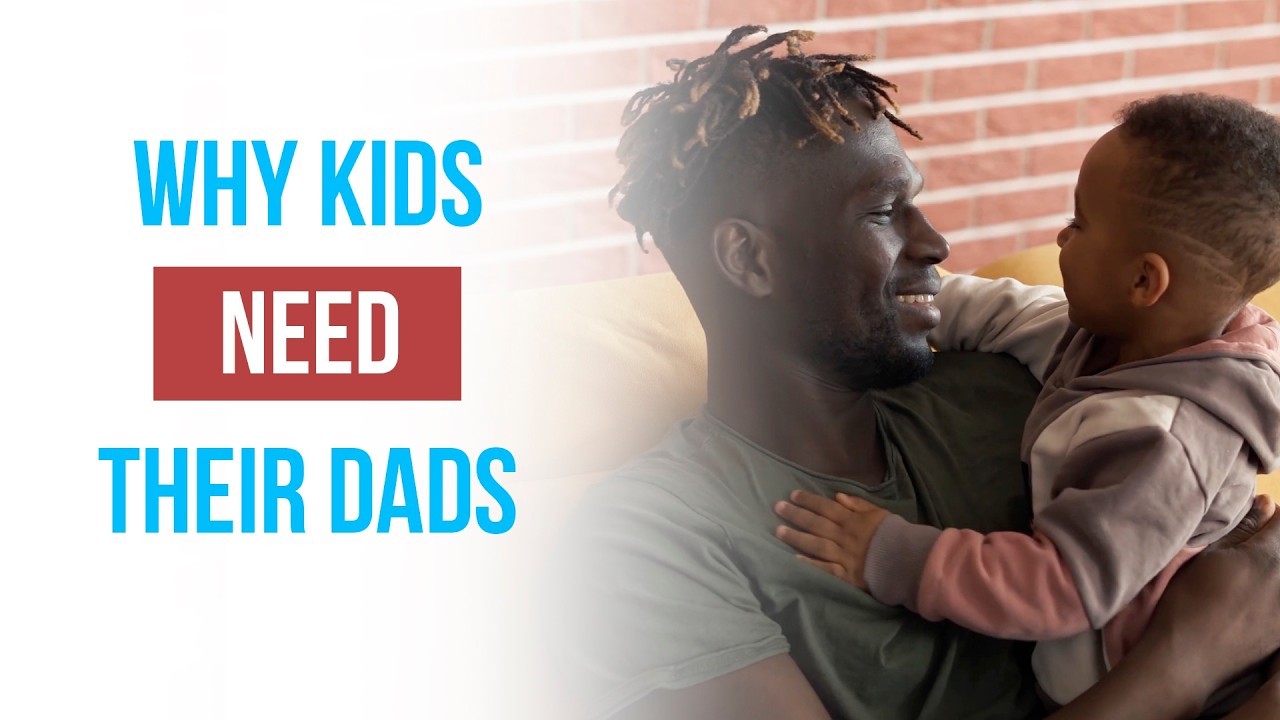
Ultimately, developmental psychology shows us that the debate over whether mothers or fathers make "better" parents misses the bigger picture. Children do not benefit from a rigid hierarchy of caregiving roles; instead, they thrive on complementary strengths. While one parent may naturally lean toward structured boundary-setting, the other might excel at intuitive emotional attunement.
Key Elements of Effective Parenting
Emotional Availability: The best parent is consistently present to validate feelings, providing a secure base for emotional regulation.
Adaptable Boundaries: Maintaining a healthy mix of warmth and clear expectations encourages self-discipline rather than fear.
Active Collaboration: Co-parenting as an aligned team teaches children vital conflict-resolution and social skills through observation.
The "Good Enough" Standard
Striving for absolute perfection often backfires, creating unnecessary anxiety in both adults and children.
"Children flourish not when they have a flawless parent, but when they live in an environment built on mutual respect, trust, and steady emotional security."
In the end, the "best" parent is rarely just one individual. It is an evolving dynamic where both caregivers bring their unique tools to the table, creating a balanced ecosystem for a child to grow, stumble, and ultimately succeed.
Watch this

Comments
No comments yet. Be the first to react.