The Shadow of the Bay: Unraveling the Persistent Mythos of the Zodiac
For more than half a century, the moniker "Zodiac" has evoked a specific kind of chilling American dread. Between December 1968 and October 1969, an unidentified assailant terrorized the San Francisco Bay Area, claiming the lives of at least five victims while leaving behind a chaotic trail of cryptic letters, taunting phone calls, and complex ciphers.
Despite exhaustive multi-agency investigations involving local police departments, the Vallejo authorities, the Napa and Solano county sheriffs, and the Federal Bureau of Investigation (FBI), the case has never been officially closed.
The Anatomy of an Unsolved Puzzle
To understand why the case remains stubbornly open, one must look closely at the unique nature of the crimes and the psychological warfare waged by the killer. Unlike typical homicide investigations, the Zodiac case was defined by proactive communication. The perpetrator actively manufactured a terrifying public persona, mailing letters to regional newspapers like the San Francisco Chronicle stamped with a signature crosshairs symbol.
These letters contained intimate details of the crime scenes that only the true killer would know, alongside aggressive challenges directed at law enforcement and amateur sleuths alike. Four primary cryptograms were dispatched;
Decades of Suspects and False Dawns
Over the decades, thousands of tips have poured in, resulting in a revolving door of prominent suspects.
Arthur Leigh Allen: For generations, the primary focus of both investigators and true crime writers (most notably popularized in Robert Graysmith’s books and David Fincher’s 2007 film) was Arthur Leigh Allen, a former elementary school teacher.
While circumstantial evidence—such as wearing a watch bearing the Zodiac logo—kept him in the crosshairs, physical evidence like fingerprints, handwriting samples, and DNA profiles extracted from stamps and envelopes ultimately failed to match Allen. Alternative Theories: In subsequent years, independent investigative groups and independent authors have put forward alternative figures, ranging from house painters to obscure local writers.
Most recently, modern amateur sleuths and independent researchers have utilized artificial intelligence and deep archive dives into 1970s counterculture zines to propose new names like Marvin Margolis or Paul Doerr.
However, law enforcement agencies maintain a strict standard of proof. To date, no official announcement from the FBI or local authorities has validated any modern alternate theory as a definitive solution.
This video explores the ongoing complexities of the Zodiac Killer investigation, examining recent theories and why the case remains officially unsolved after decades of speculation.

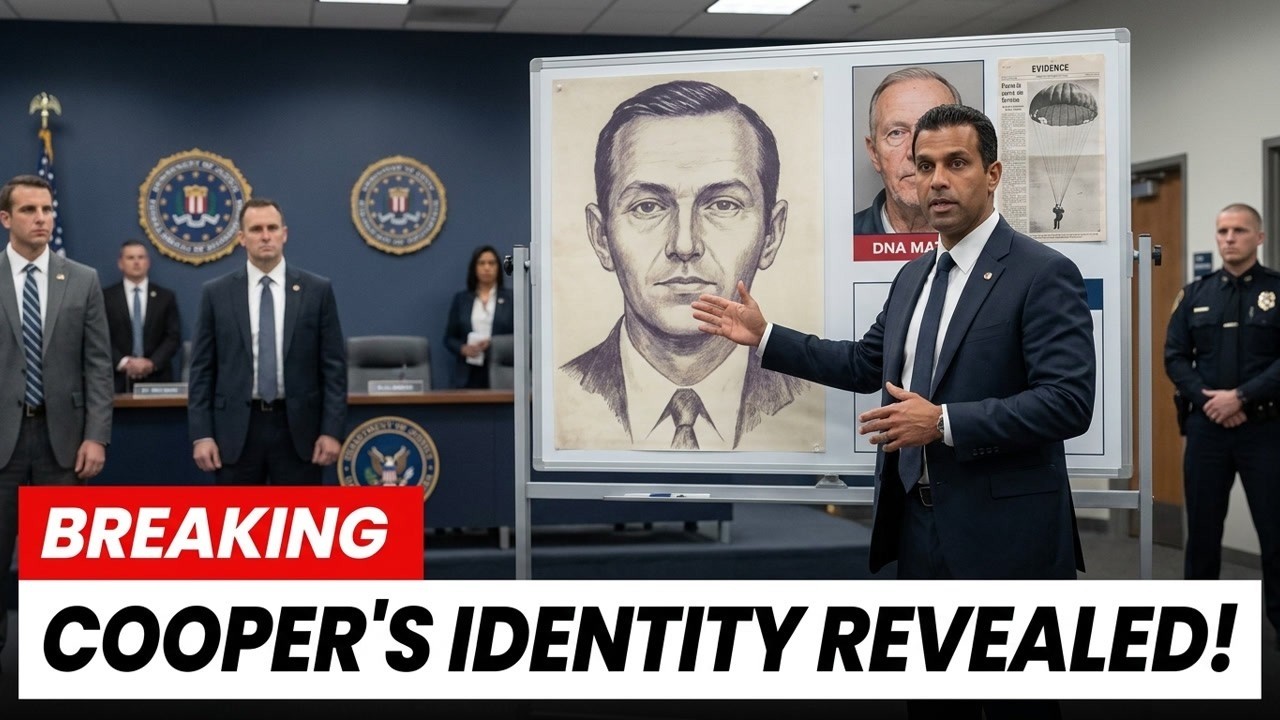
The Road Ahead: Forensic Genealogy and the Pursuit of Closure
Despite sensational headlines, viral amateur sleuth theories, and newly proposed suspects, the cold reality remains that law enforcement has never officially closed the Zodiac file. Alternative claims—ranging from private citizen cipher breakthroughs pointing to alternative identities like Marvin Margolis to retired task force hypotheses surrounding Gary Francis Poste—continue to capture public imagination.
The future of the investigation now rests almost entirely on advanced genetic genealogy. Just as familial DNA profiling successfully unmasked notorious predators like the Golden State Killer decades after their crimes, modern forensic laboratories are continually re-evaluating degraded biological samples extracted from decades-old stamps, envelopes, and crime scene artifacts.
Ultimately, whether the case is ever officially resolved depends less on circumstantial storytelling or subjective interpretations of historical ciphers and entirely upon an unambiguous, court-admissible DNA match.
For a deeper dive into recent claims surrounding new cipher interpretations and alternative suspects, you can watch this analysis on
Comments
No comments yet. Be the first to react.